Some ideas need to be encountered, not only read. Through exhibitions, public speaking, and cultural advocacy, I bring research into public spaces and create opportunities for audiences to reconsider familiar narratives of identity, heritage, and belonging.
№ 03
Living Heritage, Living Future — A Youth Global Call for Culture and Sustainable Development
Selected Youth Speaker, 2026 United Nations High-Level Political Forum
At the UN High-Level Political Forum youth session, I shared that living cultural heritage should be treated as part of sustainable development rather than as a decorative addition to it.
Drawing on my fieldwork in Liangshan, I examined how tourism, globalization, and commercialization can weaken community agency. I also questioned whether existing measures capture what cultural preservation truly means, proposing a broader framework that considers transmission, participation, language, identity, community control, and cultural continuity.
Session Recording — 从 15:00 开始播放
UN HLPF Youth Sessionhttps://www.youtube.com/watch?v=YUOd6T0CiJE (t = 15:00起)
Protecting Intangible Cultural Heritage from Commercial Appropriation — A Rights-Based Approach
Who has the right to use, reinterpret, or profit from cultural heritage?
For the Beijing Changier Education Foundation, I authored a UN Human Rights Council statement framing intangible cultural heritage as a human-rights issue. Comparing disputes involving the Chinese mamianqun and the Mixe blouse, I examined gaps across UNESCO, WIPO, and intellectual-property frameworks.
The proposal moves beyond the question of resemblance to consider whether communities have been recognized, consulted, credited, and compensated.
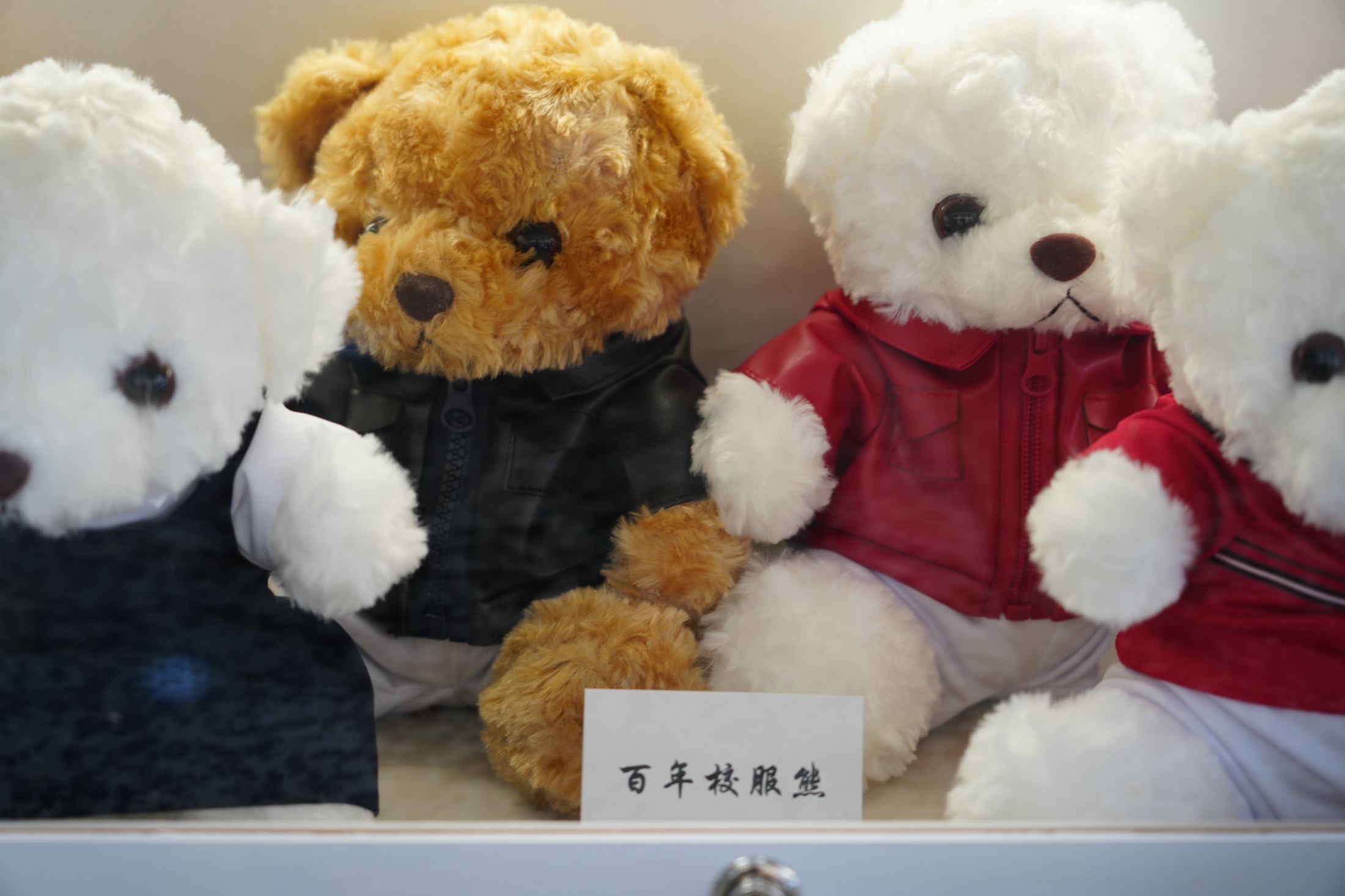
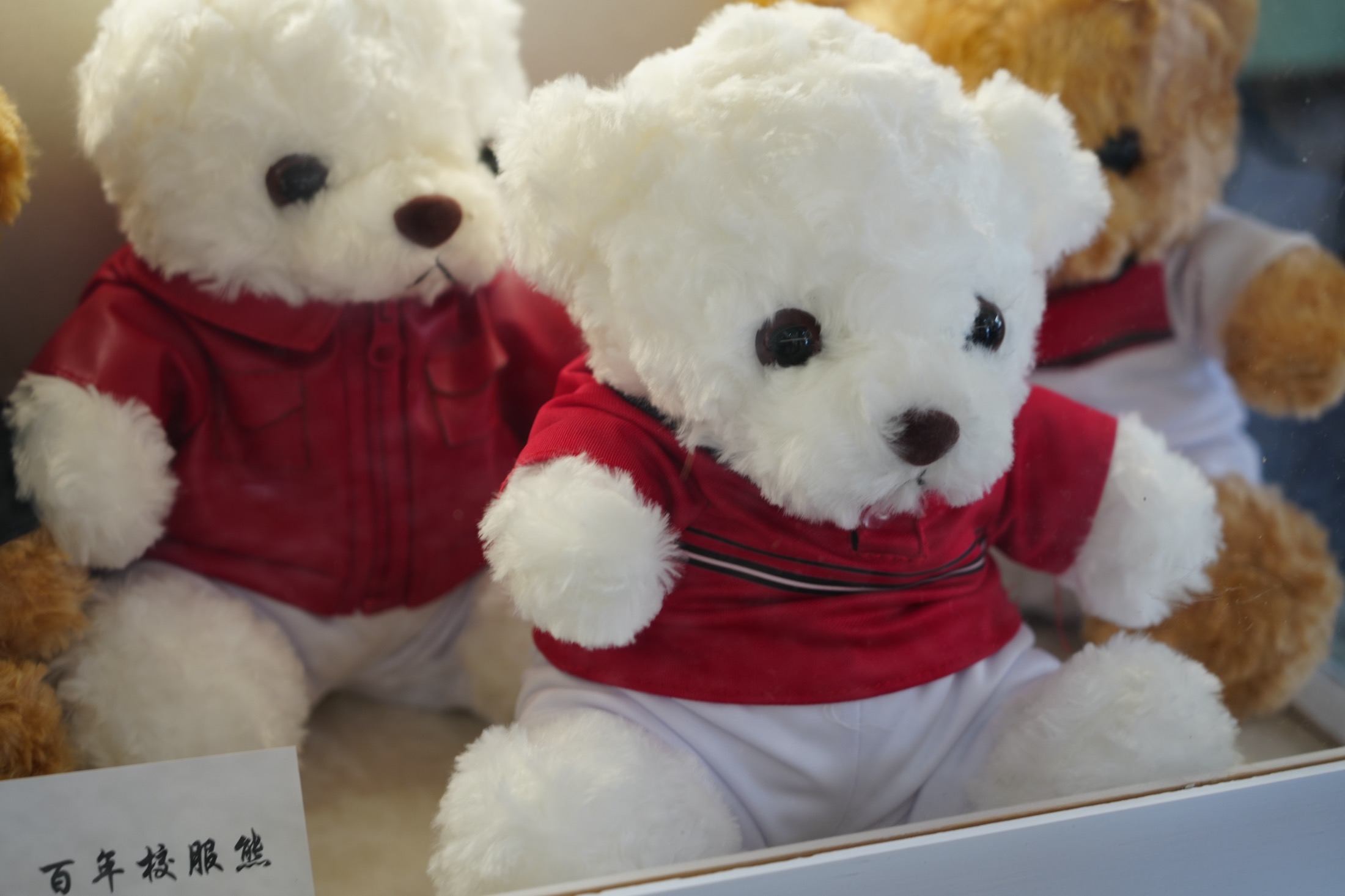
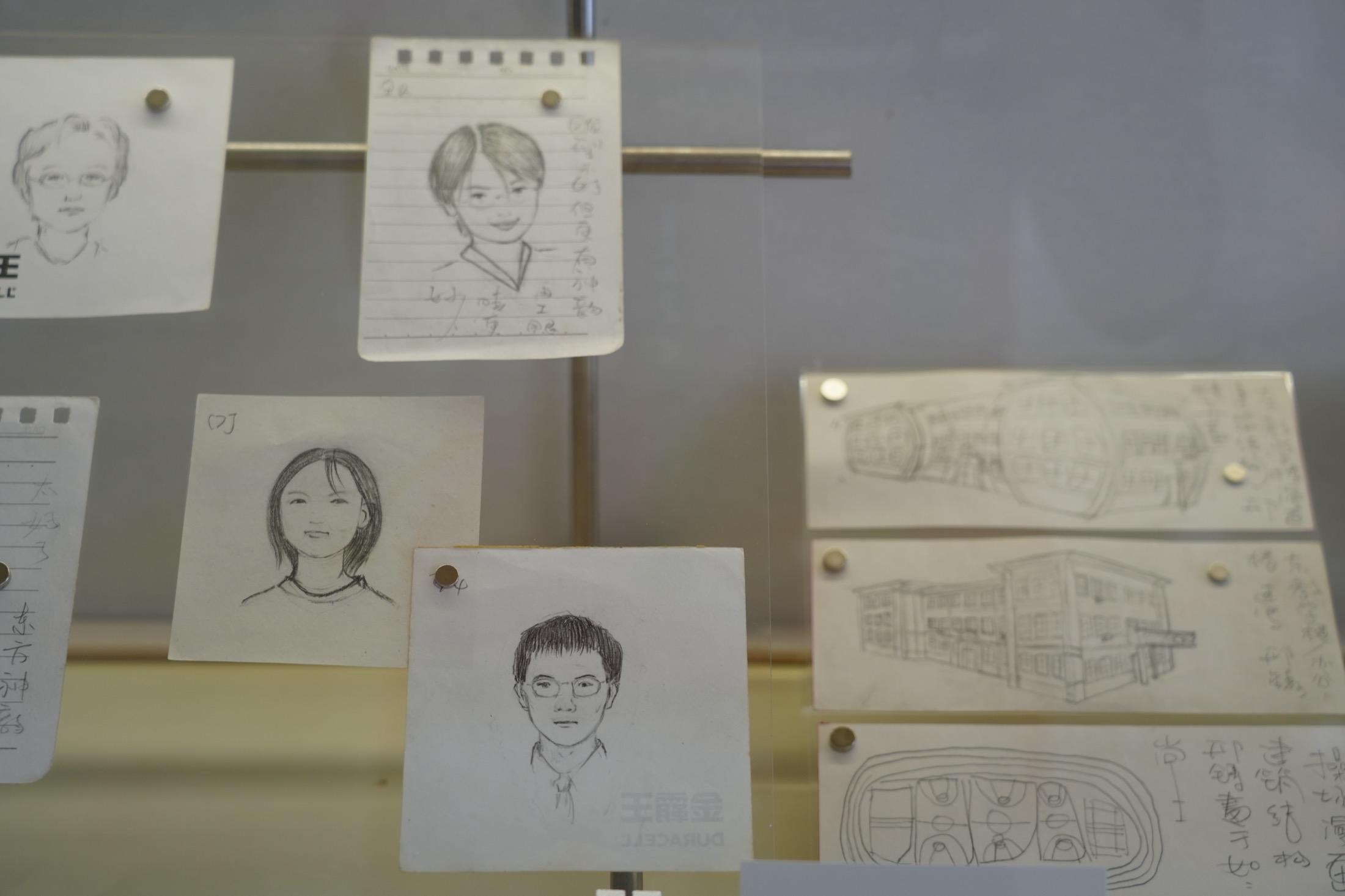
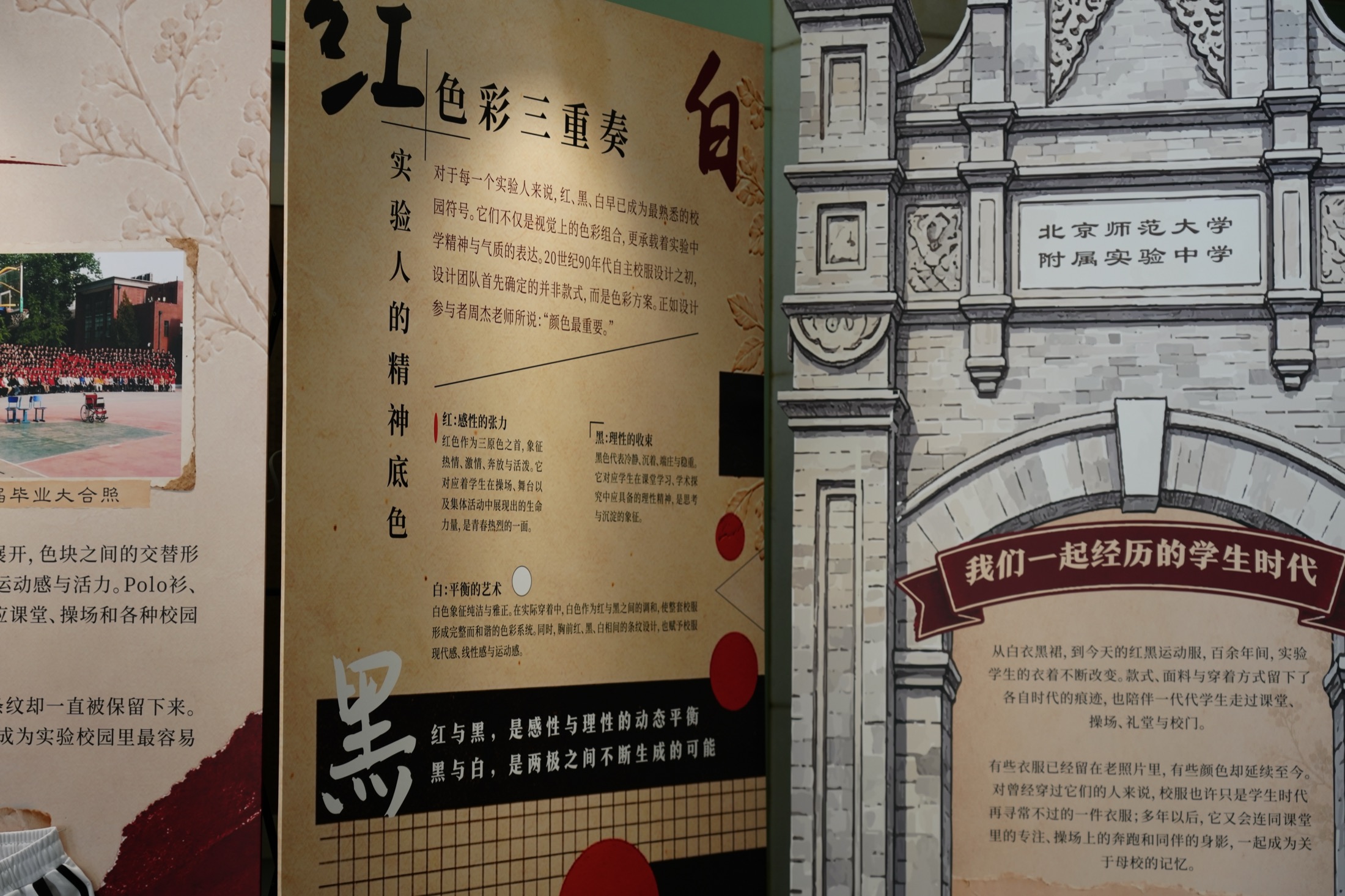
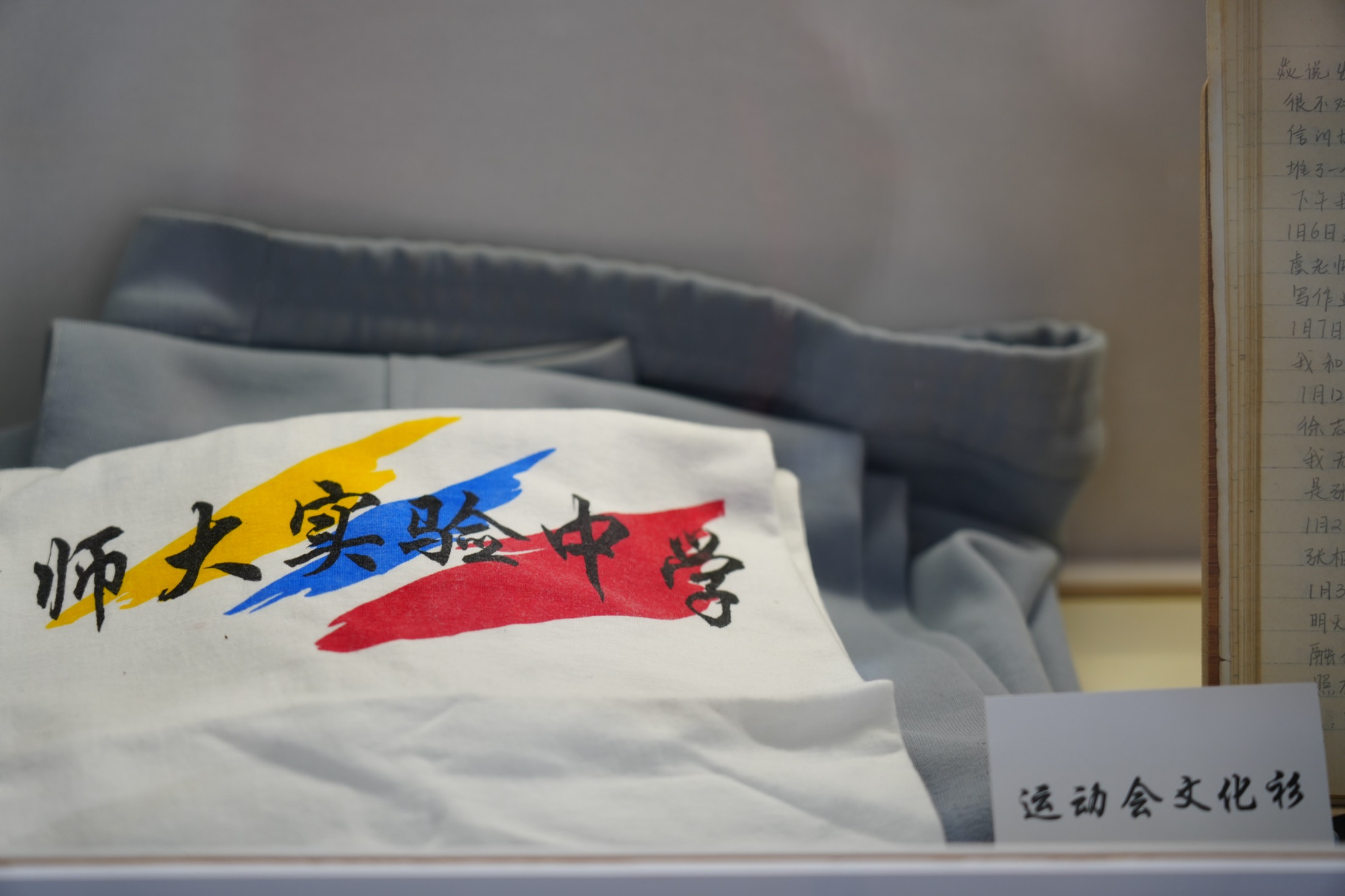
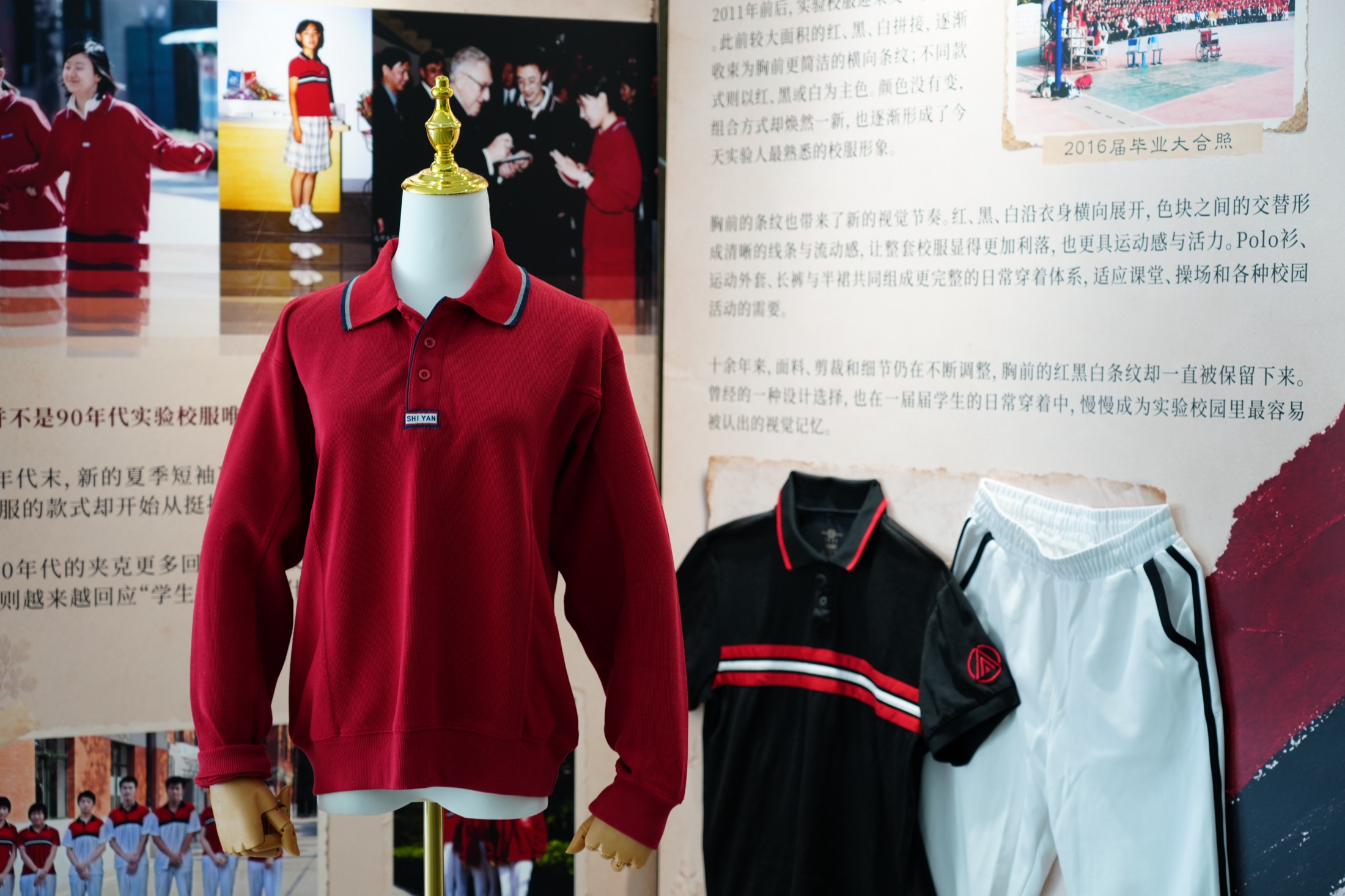
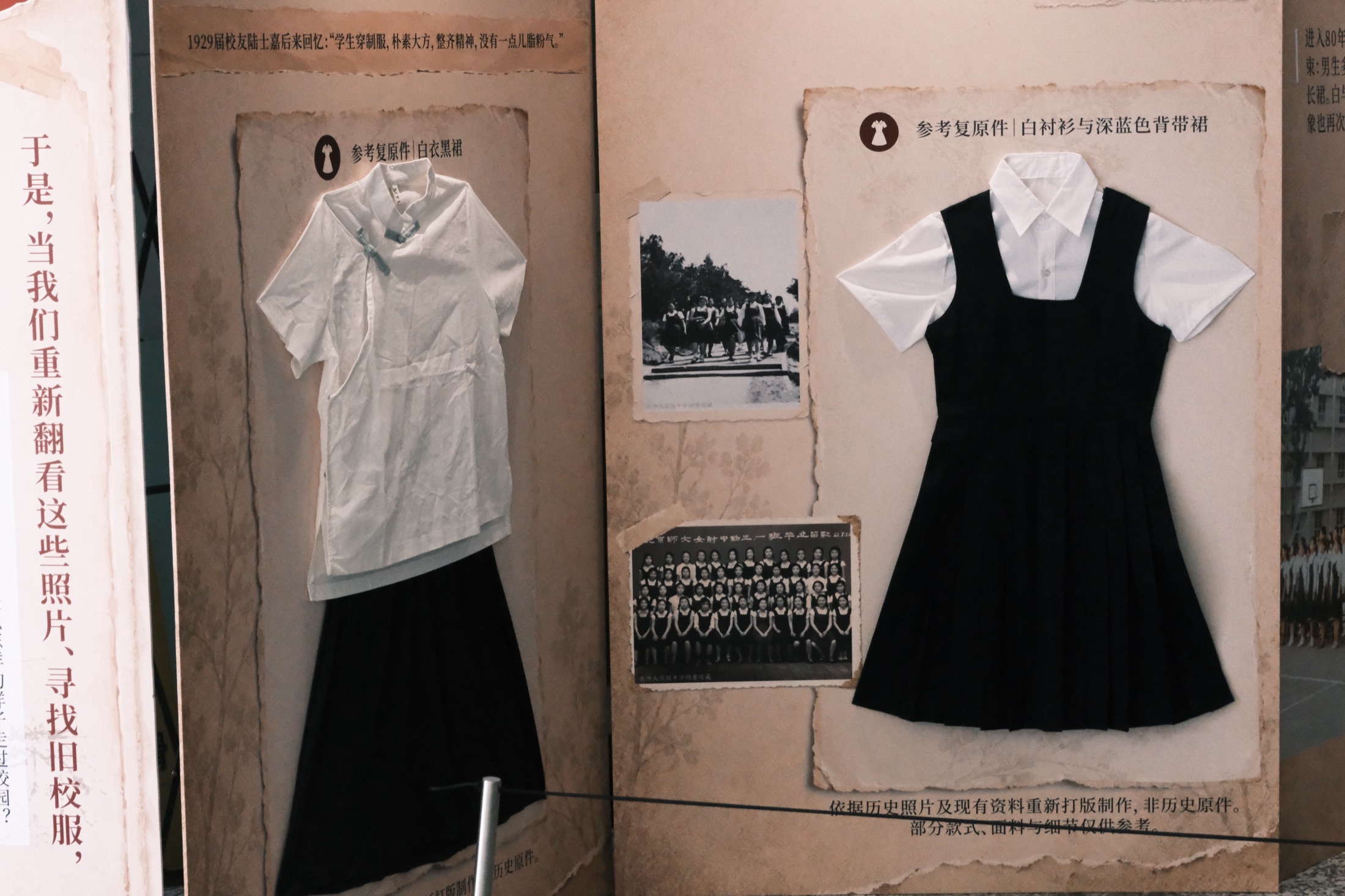
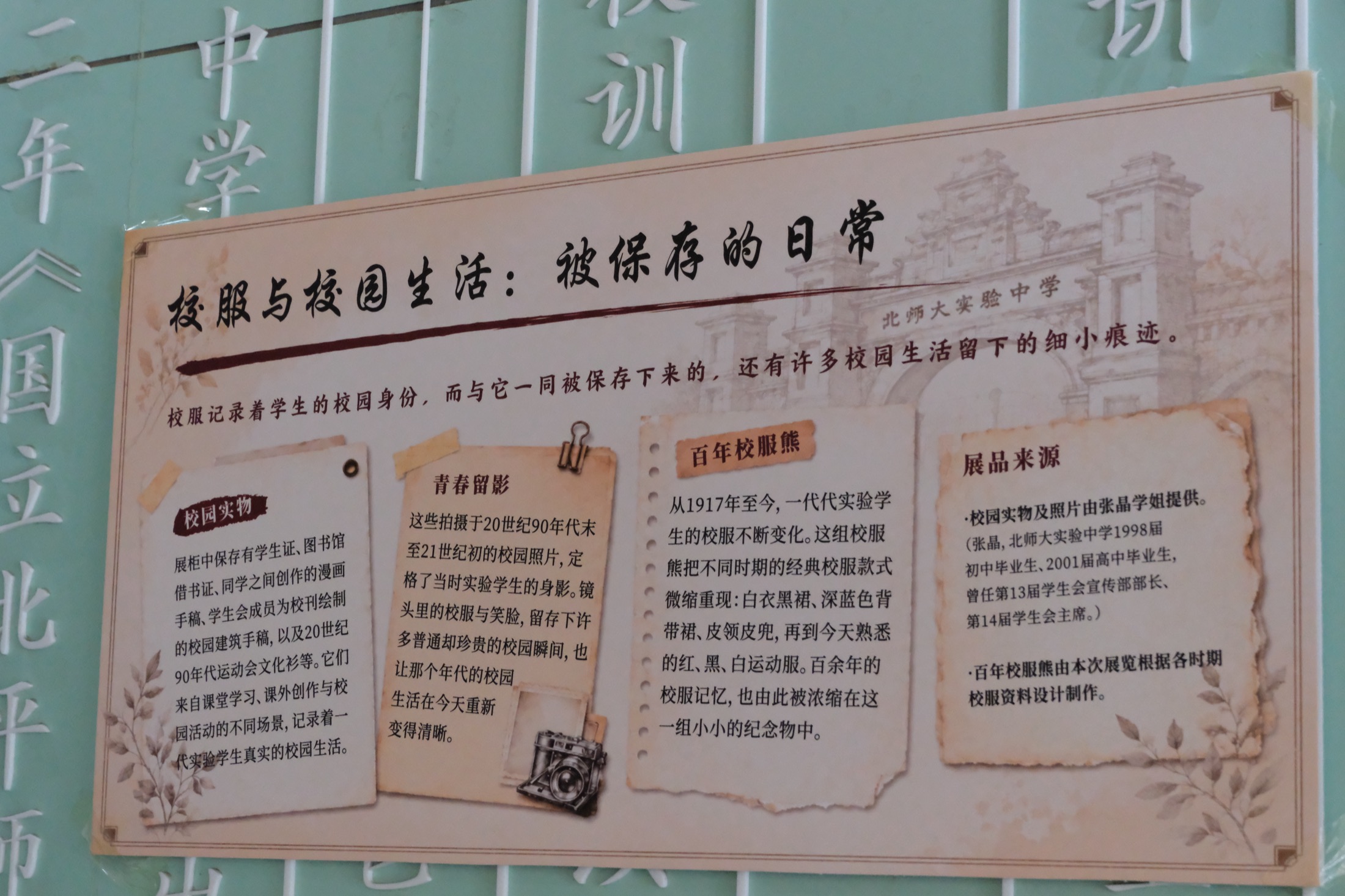
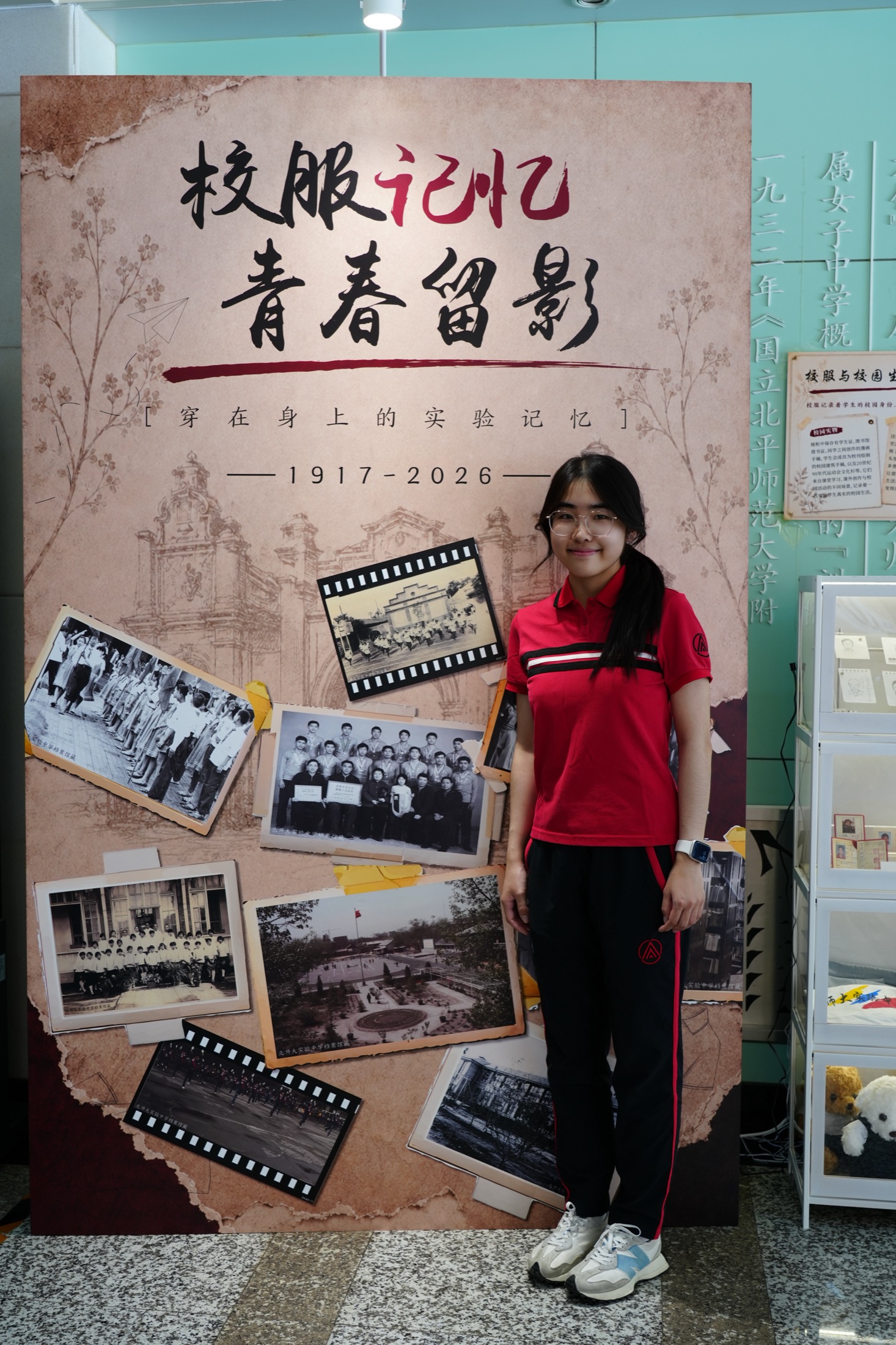
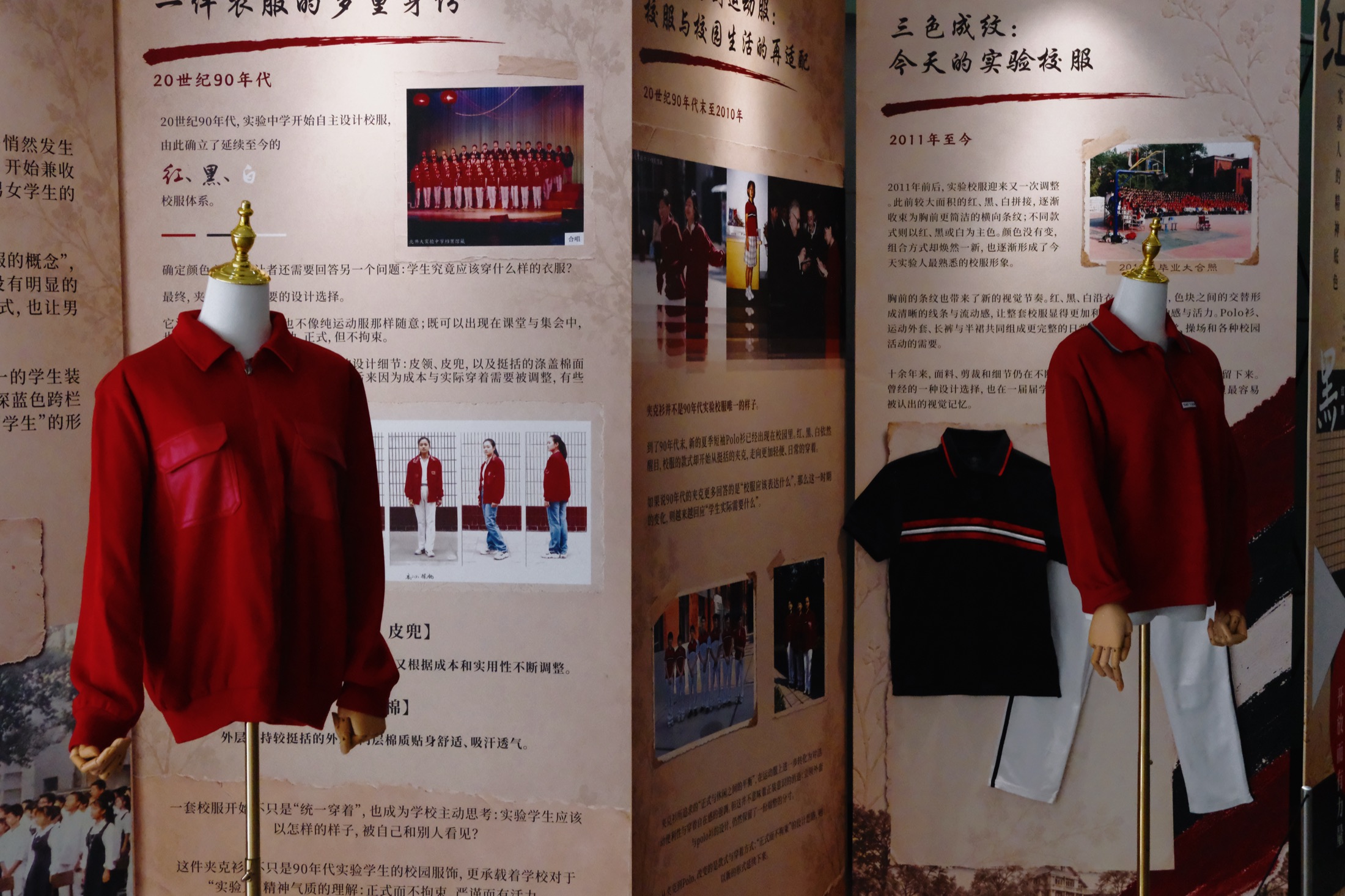
History Worn transforms archival research into a public encounter with school memory. Through uniforms, historical photographs, oral accounts, and visual timelines, the exhibition invites visitors to consider how institutional identity is worn and remembered.
Rather than presenting 110 years as a linear sequence of changing designs, it reveals the values embedded in fabric, color, and form — and asks students to see themselves as part of a history that continues to be revised.
110years of school history represented
4forms of evidence — uniforms, archives, photographs & oral accounts